Field Leveling in Salt Lake City, UT
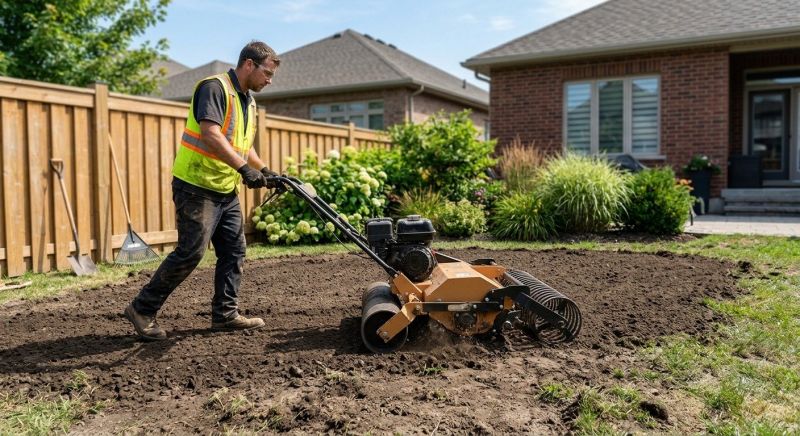
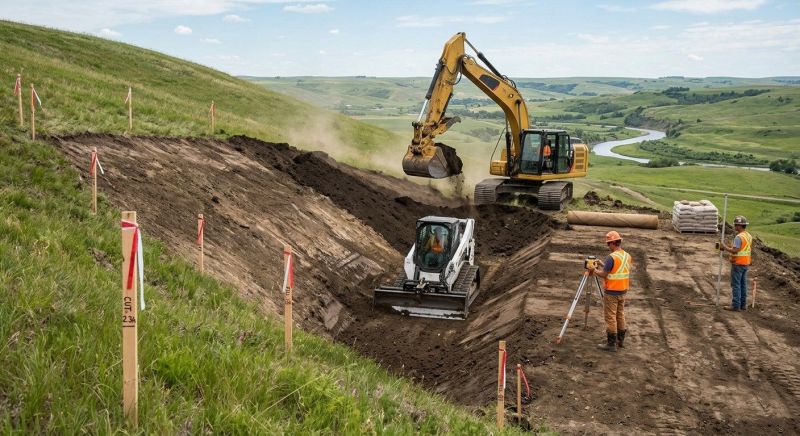
Field leveling services involve adjusting the elevation of a property’s surface to create a smooth, even landscape. This process is commonly used for residential projects such as preparing yards for lawns, gardens, or driveways, as well as for improving drainage and preventing water pooling. Property owners typically request this service when their land has developed uneven areas due to natural settling, erosion, or previous construction work, and they want a stable foundation for future landscaping or construction projects.
Before requesting field leveling, homeowners should consider the current condition of their land and any existing structures or underground utilities that might be affected. It is also helpful to understand the extent of the grading needed and the desired final slope or elevation. Clear communication about the property’s layout and any specific goals can help ensure the work aligns with expectations and results in a safe, functional, and visually appealing landscape.
Many property owners in Salt Lake City, UT look into Field Leveling for repairs, replacements, upgrades, and appearance-related improvements.
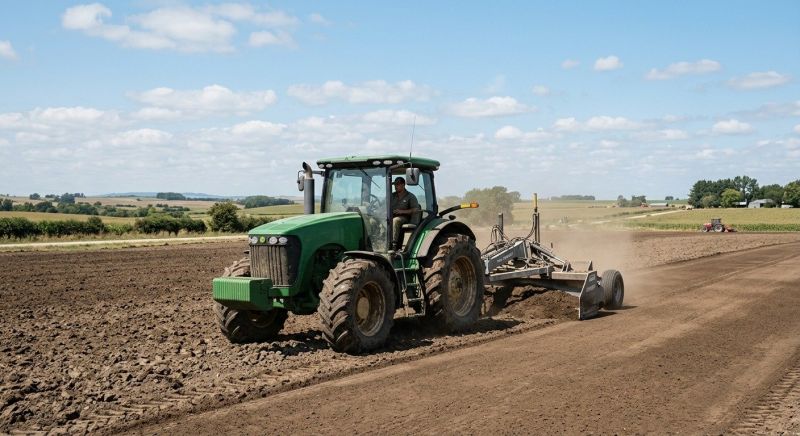
Ensuring Proper Drainage
Field leveling helps prevent water pooling and erosion around your property.
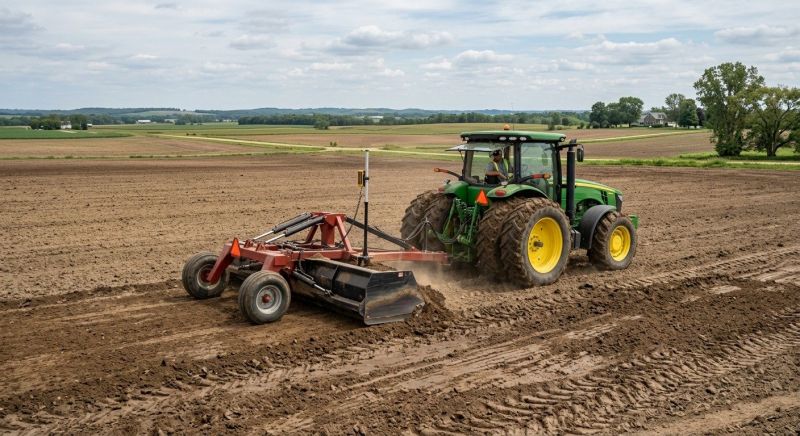
Preparing For Landscaping
A leveled surface creates an ideal foundation for lawns, gardens, and other outdoor projects.
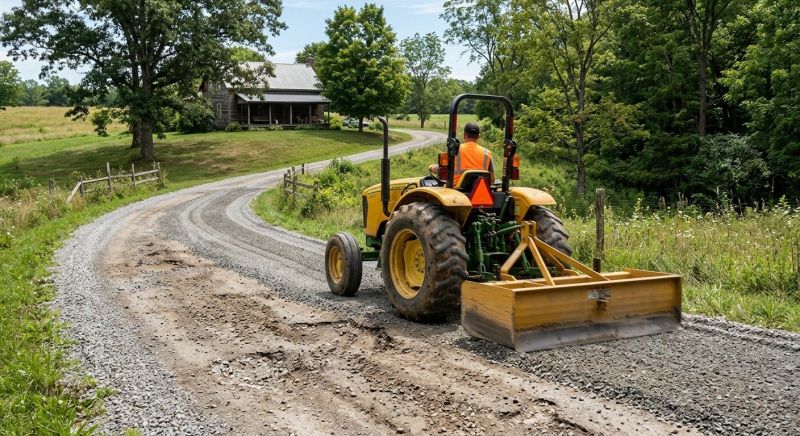
Maintaining Property Stability
Proper leveling reduces soil shifting and settling that can cause structural issues over time.
Field Leveling in Salt Lake City, UT
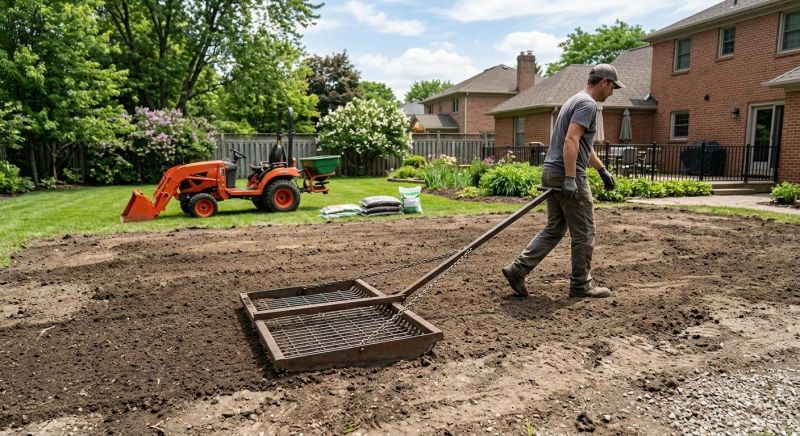
Field leveling services involve adjusting the elevation of a property’s surface to create a smooth, even landscape. This process is commonly used for residential projects such as preparing yards for lawns, gardens, or driveways, as well as for improving drainage and preventing water pooling. Property owners typically request this service when their land has developed uneven areas due to natural settling, erosion, or previous construction work, and they want a stable foundation for future landscaping or construction projects.
Before requesting field leveling, homeowners should consider the current condition of their land and any existing structures or underground utilities that might be affected. It is also helpful to understand the extent of the grading needed and the desired final slope or elevation. Clear communication about the property’s layout and any specific goals can help ensure the work aligns with expectations and results in a safe, functional, and visually appealing landscape.
Many property owners in Salt Lake City, UT look into Field Leveling for repairs, replacements, upgrades, and appearance-related improvements.
Common Field Leveling Jobs
Residential property leveling - ensures home foundations are even to prevent structural issues.
Commercial site leveling - prepares business properties for construction or renovation projects.
Driveway and sidewalk leveling - corrects uneven surfaces for safety and accessibility.
Landscape grading and leveling - creates a stable base for gardens, lawns, and outdoor features.
Foundation leveling - addresses uneven foundations to maintain structural integrity.
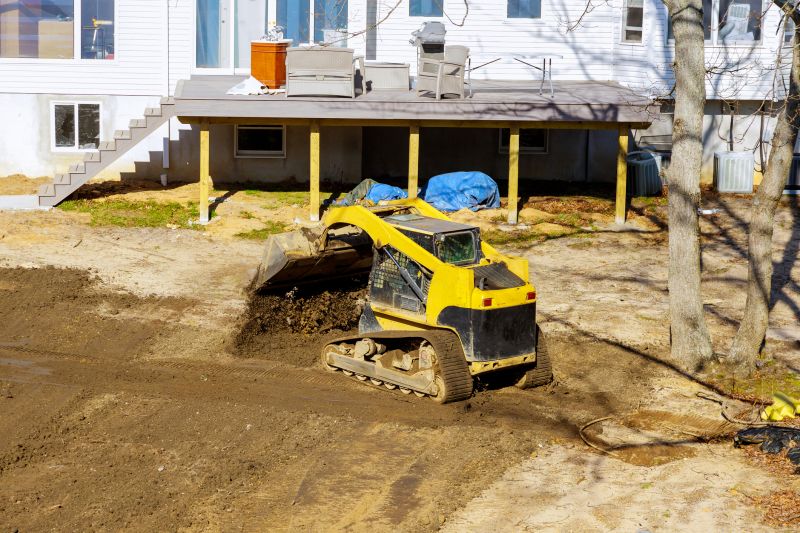
Yard and terrain leveling - improves drainage and prepares land for landscaping or construction.
Field Leveling Questions
What is field leveling? Field leveling involves adjusting the ground surface to create a more even and stable landscape, often for construction or landscaping purposes.
When is field leveling needed? It is typically required when a property has uneven terrain, settling issues, or prior grading that needs correction for safety or functionality.
What types of projects require field leveling? Common projects include foundation preparation, driveway installation, yard grading, and sports field leveling.
What should property owners consider before a field leveling project? It’s important to evaluate the current terrain, drainage needs, and future landscaping plans to ensure proper results.
Request Field Leveling in Salt Lake City, UT
Use the quote form on this page to share the basics of your project and request more information for the type of work you need.